Endoscopic Facelift Type 1

Endoscopic Facelift Type 1
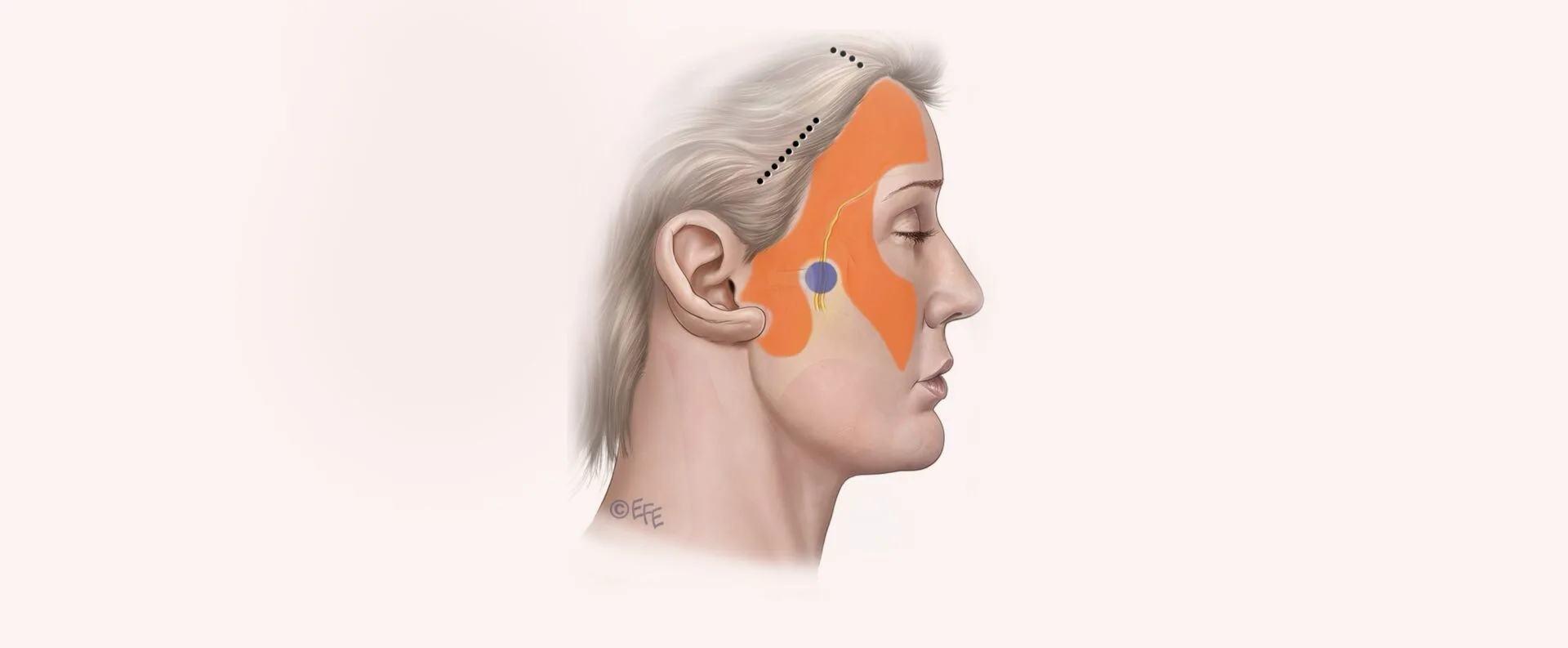
Endoscopic Deep Plane Facelift Type 1 is an advanced facial rejuvenation procedure designed to restore youthful support to the brow region, upper face, cheeks, and midface through hidden hairline incisions, endoscopic visualization, and deep-plane anatomical repositioning.
Unlike traditional facelift techniques that often rely on longer incisions around the ears, the procedure is performed through carefully concealed incisions hidden within the hair-bearing scalp and temporal region. This allows meaningful facial rejuvenation while minimizing visible scarring and preserving a natural appearance.
Many patients begin noticing signs of facial aging long before they develop significant jowls or neck laxity. Heavy brows, hooded eyes, tired-looking eyes, cheek descent, midface flattening, and deepening nasolabial folds can all contribute to a fatigued or aged appearance, even in younger individuals.
A key feature of Endoscopic Deep Plane Facelift Type 1 is its ability to address the midface. As the cheeks gradually descend with aging, support in the central face is lost and the nasolabial folds often become more pronounced. By elevating and repositioning the descended midface tissues, the procedure helps restore cheek support, improve midface contour, and soften the transition into the nasolabial region.
Unlike traditional facelift procedures that primarily focus on the lower face and neck, Endoscopic Deep Plane Facelift Type 1 specifically targets the upper face and midface. Using advanced endoscopic deep-plane techniques, SMAS repositioning, retaining ligament release, and anatomical tissue repositioning, the procedure restores youthful facial support while preserving natural facial expression and identity.
The procedure combines principles of endoscopic brow lift, endoscopic midface lift, deep-plane facelift surgery, and upper facial rejuvenation into a single comprehensive approach. Rather than relying on skin tension alone, the procedure addresses the deeper facial support structures responsible for facial descent and aging.
The goal is not to create an over-pulled or artificial appearance, but rather to create a fresher, more rested, and naturally rejuvenated version of the patient's own face through hidden incisions, structural repositioning, restoration of cheek support, improvement of the midface, and softening of early nasolabial folds.
BEFORE AFTER
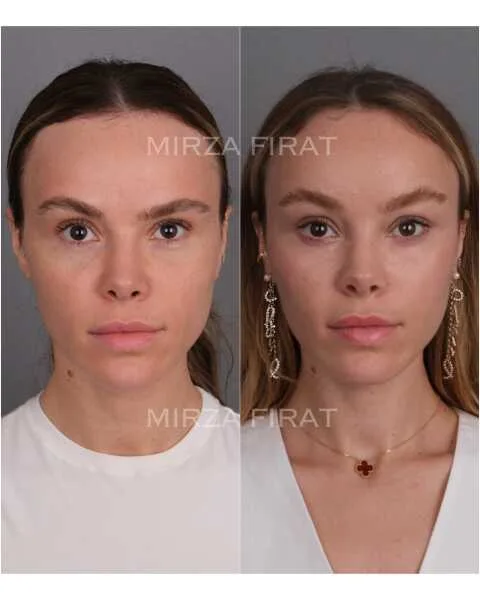
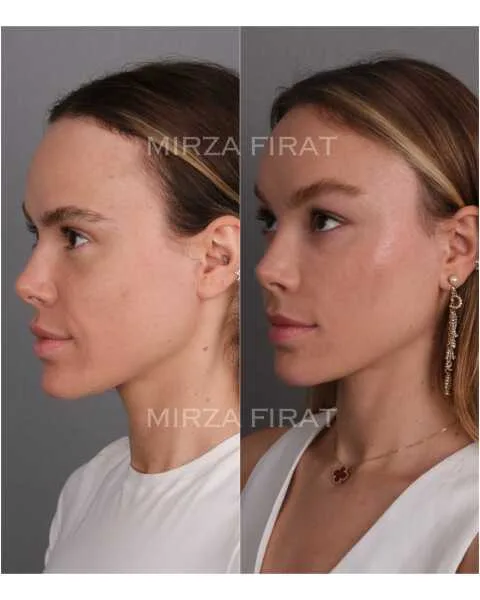
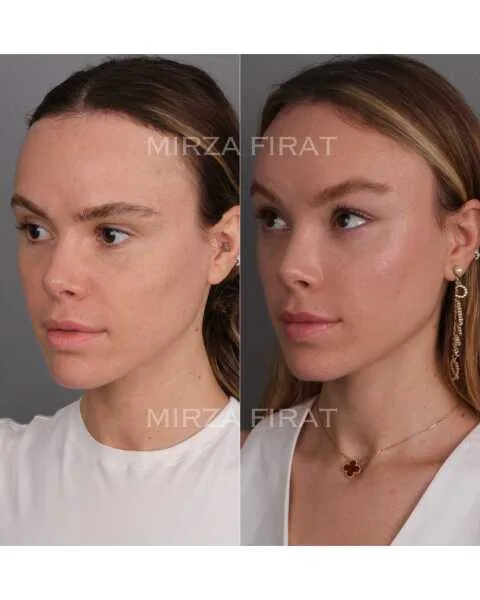
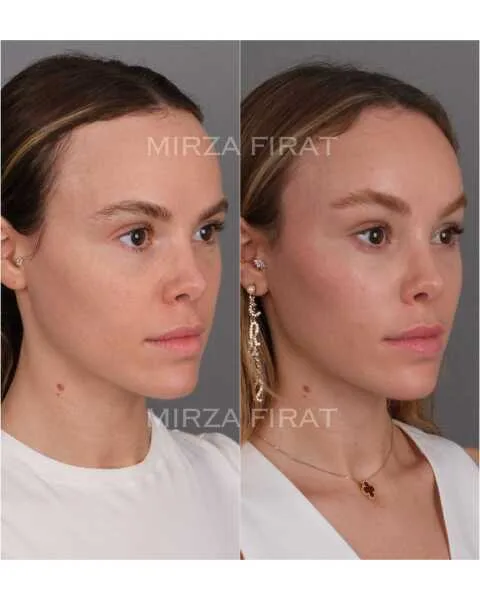
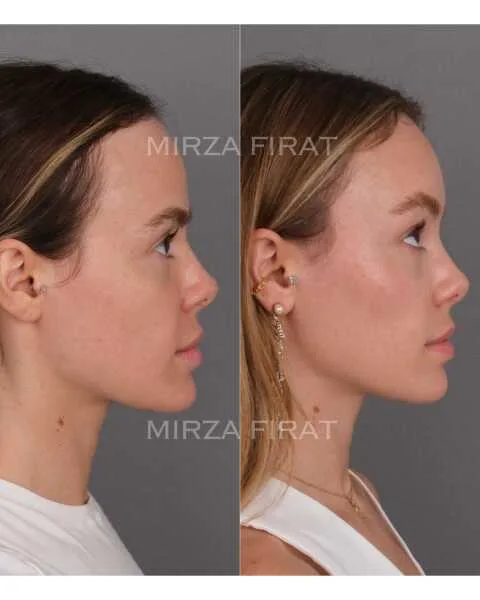
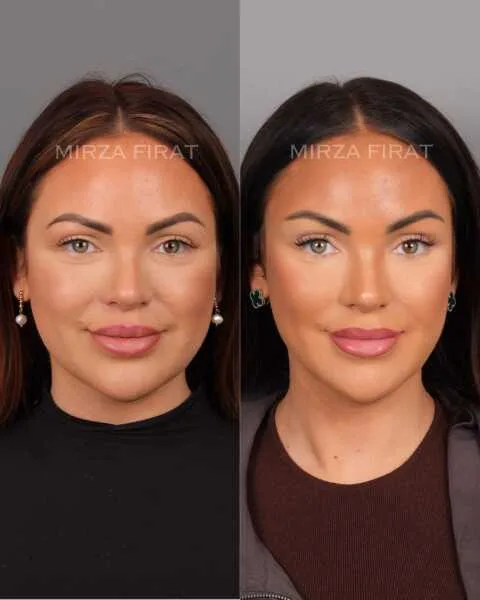
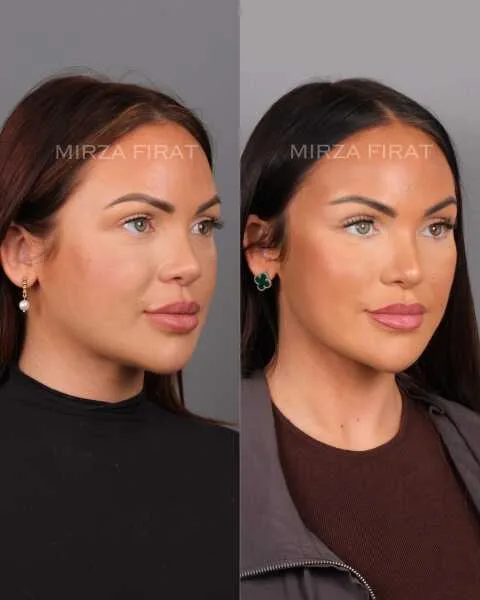
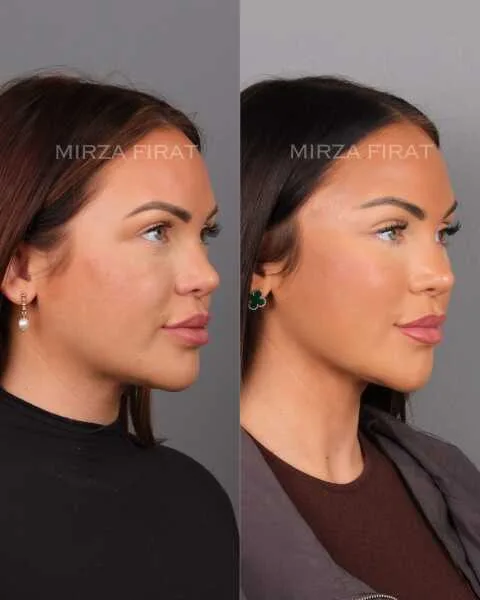
Endoscopic Deep Plane Facelift Type 1 is designed for patients whose concerns primarily involve the brow area, eyes, cheeks, and midface rather than the jawline or neck.
Ideal candidates may experience:
• Heavy or low-positioned brows
• Hooded eyes
• Upper eyelid heaviness
• Early cheek descent
• Midface flattening
• Mild nasolabial folds
• Tired-looking eyes
• Loss of upper and midface support
Many patients are not seeking a dramatic transformation, but rather a fresher, more rested appearance with natural-looking improvement and preservation of facial identity.
Patients with significant jowling, jawline heaviness, or neck laxity may be better candidates for Endoscopic Deep Plane Facelift Type V or Type 2.
The goal is not to create a different face.
The goal is to restore youthful facial support, improve brow position, elevate the midface, soften early signs of facial aging, and create a fresher, more rested appearance while preserving natural facial identity, movement, and expression.
Endoscopic Deep Plane Facelift Type 1 is designed for patients who want meaningful facial rejuvenation with hidden incisions, deep-plane anatomical repositioning, natural-looking results, and long-term structural improvement.
Endoscopic Deep Plane Facelift Type I mainly targets the: Upper face, brow region, periorbital area, cheeks, and midface.
The procedure may improve: brow heaviness, tired eye appearance, early cheek descent, mild nasolabial folds, and loss of youthful midface support. The primary focus of the surgery is upper facial rejuvenation and endoscopic midface lifting rather than extensive lower-face or neck correction.
One of the primary goals of modern endoscopic deep-plane facial rejuvenation is to avoid the over-pulled appearance often associated with traditional facelift stereotypes.
Because Endoscopic Deep Plane Facelift Type 1 restores deeper anatomical support rather than relying on skin tension, the final result typically appears softer, more natural, and more harmonious.
The goal is to preserve identity, not change it.
Not necessarily.
Many patients in their 20s, 30s, and early 40s seek treatment because of inherited facial anatomy rather than advanced aging.
Low-set brows, heavy upper eyelids, cheek descent, and early midface flattening can create a tired appearance even at a young age.
For these patients, Endoscopic Deep Plane Facelift Type 1 often functions as both a rejuvenation and beautification procedure.
The most appropriate facelift procedure depends on which areas of the face are affected by aging.
Patients whose primary concerns involve tired-looking eyes, brow heaviness, cheek descent, midface flattening, and early nasolabial folds are often better candidates for Endoscopic Deep Plane Facelift Type 1.
Patients who are mainly concerned about loss of jawline definition, early jowls, lower facial heaviness, and jawline contour may benefit more from Endoscopic Deep Plane Facelift Type V.
Patients with more advanced facial aging involving the cheeks, jawline, jowls, and neck often require a more comprehensive approach such as Endoscopic Deep Plane Facelift Type 2, which combines full-face and neck rejuvenation.
In simple terms:
• Type 1 → Brow, eyes, cheeks, and midface
• Type V → Jawline, lower face, and early jowls
• Type 2 → Full face and neck rejuvenation
The correct procedure is determined by facial anatomy, aging pattern, tissue descent, skin quality, and the patient's goals rather than age alone.
The goal is not to fit patients into a predefined procedure, but to select the procedure that best addresses their specific facial anatomy and concerns.
Many patients feel they appear tired despite getting adequate sleep. In many cases, the issue is not fatigue itself but descent of the brow, loss of upper facial support, and changes within the midface.
As the brow descends and the cheeks gradually lose structural support, the eyes can appear smaller, heavier, and less refreshed.
Endoscopic Deep Plane Facelift Type 1 addresses these underlying anatomical changes by restoring support to the upper face and midface.
Yes.
Many hooded eyes are not caused solely by excess eyelid skin. Changes in the upper face, temple region, and surrounding soft tissues can contribute significantly to upper eyelid heaviness and an aged or tired appearance.
Through deep-plane tissue repositioning and upper facial support restoration, Endoscopic Deep Plane Facelift Type 1 may improve the appearance of hooded eyes, enhance eye shape, reduce upper eyelid heaviness, and create a more open and refreshed appearance without necessarily requiring a formal brow lift.
In selected patients, upper blepharoplasty may also be combined with the procedure.
Yes.
One of the most common misconceptions in facial rejuvenation is that every patient requires a higher brow position. In reality, many patients already have attractive and balanced brow-to-eye proportions and do not want their brow shape changed.
For these patients, the goal is not to create a higher brow, but to improve the surrounding structures responsible for a tired or aged appearance.
In selected patients, Endoscopic Deep Plane Facelift Type 1 can improve the eye area, restore midface support, elevate the cheeks, and soften early nasolabial folds while preserving the patient's natural brow position and facial identity.
The objective is not to create a different eyebrow shape, but to achieve a fresher and more rested appearance through anatomical repositioning of the deeper facial tissues.
This approach is particularly important for patients who are satisfied with their brow shape but want improvement around the eyes, cheeks, and midface without looking different or over-operated.
Yes.
Many nasolabial folds become deeper because the cheeks gradually descend over time.
Endoscopic Deep Plane Facelift Type 1 includes advanced endoscopic midface lifting techniques that elevate descended cheek tissues and restore structural support.
This often softens nasolabial folds while maintaining natural facial anatomy.
The goal is not to erase natural facial structures, but to restore youthful facial balance and support.
Yes.
A critical component of Endoscopic Deep Plane Facelift Type 1 is deep-plane SMAS repositioning.
The procedure addresses the deeper facial support structures responsible for facial aging rather than focusing only on the skin surface.
This allows for more stable, natural, and durable rejuvenation.
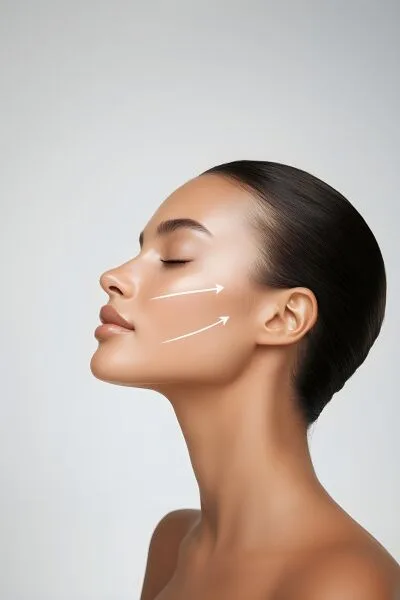
One of the major advantages of the endoscopic approach is the ability to perform advanced facial rejuvenation through hidden incisions.
The incisions are typically placed within the hair-bearing scalp and temporal region where they remain well concealed during healing.
Unlike traditional facelift techniques that may require longer incisions around the ears, the endoscopic approach minimizes visible scarring while still allowing comprehensive deep-plane tissue repositioning.
Temple lifts primarily focus on the outer brow and lateral eye region. While they may improve eyebrow shape, they generally do not address deeper facial structures, cheek descent, retaining ligaments, or midface support. Endoscopic Deep Plane Facelift Type 1 provides a more comprehensive solution by combining brow rejuvenation, deep-plane ligament release, and structural midface lifting. Patients seeking improvement in both the eye area and cheek region often require more than a temple lift alone.
Thread lifting procedures rely on suspension sutures placed beneath the skin to temporarily elevate soft tissues.
Although thread lifts may provide short-term improvement in selected patients, they generally do not address: deep facial anatomy, retaining ligaments, SMAS structures, or structural facial aging.
Endoscopic Deep Plane Facelift surgery, on the other hand, involves direct deep-plane dissection, ligament release, and anatomical repositioning of descended tissues.As a result, endoscopic facelift procedures typically provide: more natural-looking results, greater structural improvement, and longer-lasting facial rejuvenation.
Most patients experience mild to moderate swelling, temporary bruising, and a feeling of tightness during the early recovery period.
The majority of swelling improves significantly within the first two to three weeks.
Most patients feel socially presentable after approximately two to three weeks, although subtle refinement continues over several months.
Because the incisions are hidden and limited, recovery is often faster than many traditional facelift procedures.
Because the procedure addresses deeper anatomical structures and facial retaining ligaments rather than simply tightening the skin, results are generally long-lasting.
Although the natural aging process continues, patients often maintain noticeable improvement for many years.
Longevity depends on genetics, skin quality, lifestyle, weight stability, and overall health.
The process typically begins with a detailed photo evaluation and online consultation, allowing patients to discuss their goals and receive personalized recommendations before traveling.
After arriving in Istanbul, patients undergo a comprehensive in-person examination, surgical planning session, preoperative assessment, and final consultation with Dr. Mirzayev. This extensive preparation helps ensure that every aspect of the procedure is carefully tailored to the patient's anatomy and expectations.
Following surgery, patients are closely monitored throughout their recovery. Daily follow-up visits, wound care, hair washing, postoperative treatments, red light therapy sessions, lymphatic massage, and recovery-enhancing protocols are provided as part of the aftercare process. Patients are seen every day by the medical team, ensuring continuous supervision and support during the critical early healing period.
Procedures are performed in a premium hospital environment, and patients benefit from a highly personalized recovery experience with dedicated assistance throughout their stay.
The goal is to provide a structured, safe, and supportive journey, with continuous care from the initial consultation through recovery and the final postoperative evaluation.
One of the primary goals of Endoscopic Deep Plane Facelift surgery is to preserve natural facial expression and facial identity. Unlike overly aggressive or skin-tightening facelift techniques, the procedure focuses on deep structural repositioning using vertical vector lifting and deep-plane SMAS techniques. The goal is not to create an exaggerated or “operated” appearance, but rather a refreshed, youthful, and structurally balanced result.
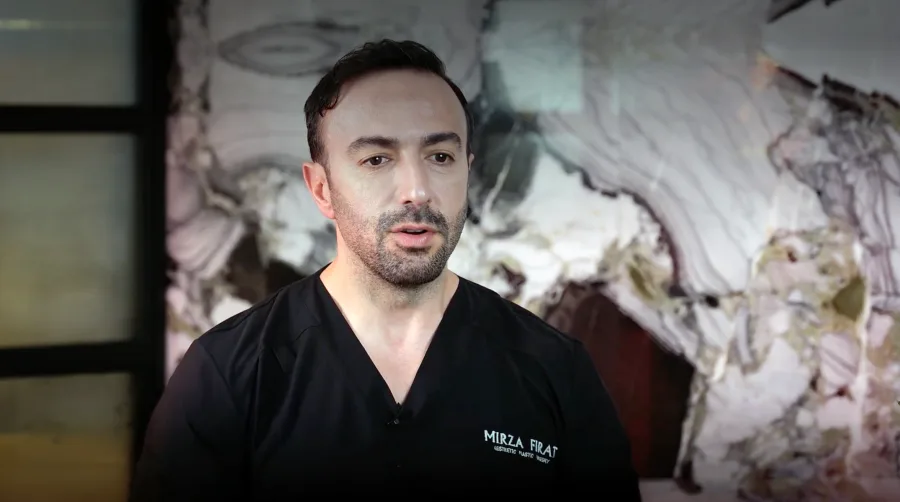
Brow Lift, Midface Lift & Upper Facial Rejuvenation | Endoscopic Deep Plane Facelift Type 1
 Play Video