Deep Plane FaceLift Surgery

Deep Plane FaceLift Surgery
What Is Deep Plane Facelift?
Advanced Facial Rejuvenation Through Anatomical Repositioning
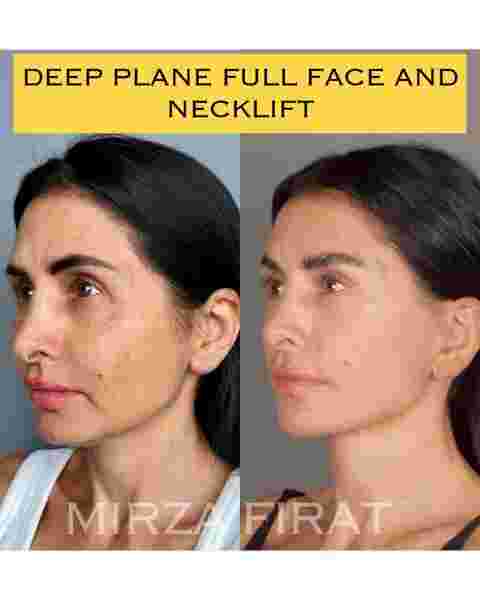
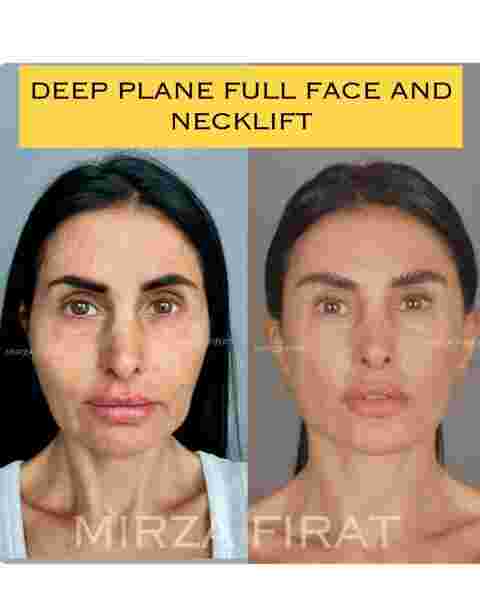
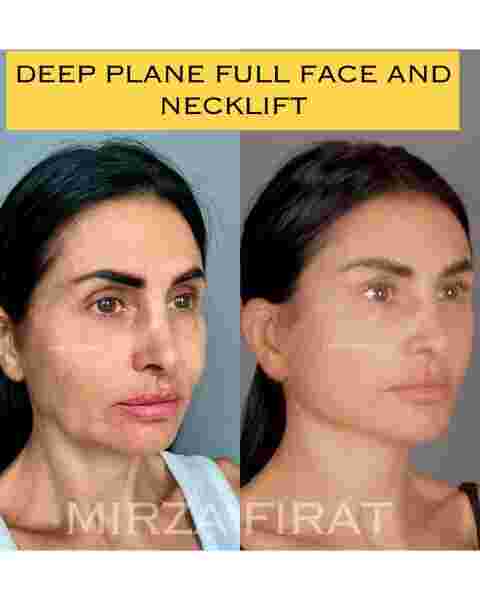
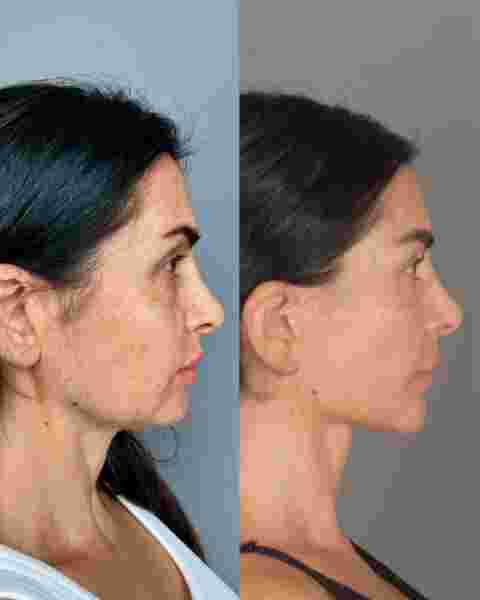
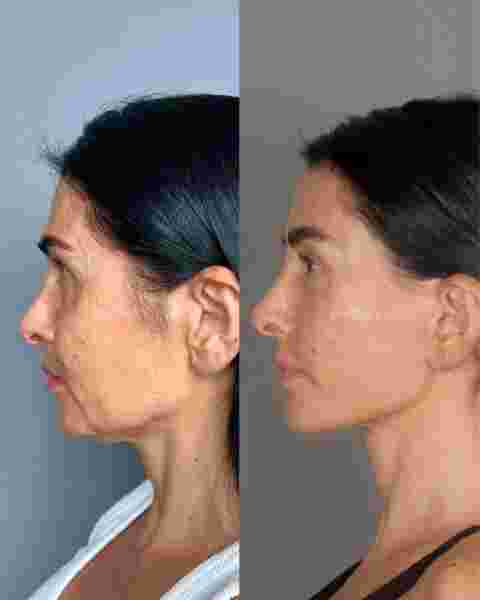
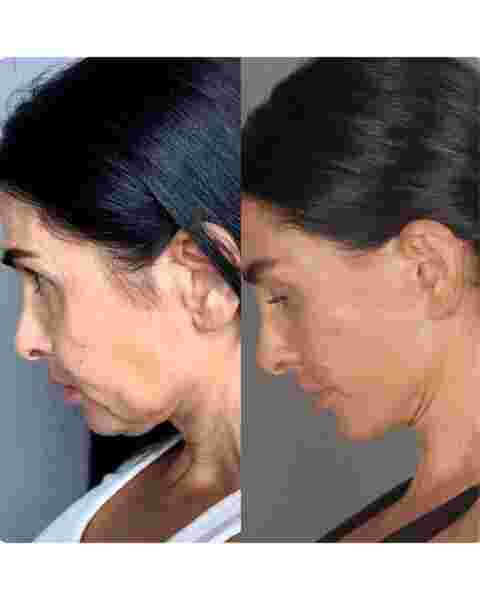
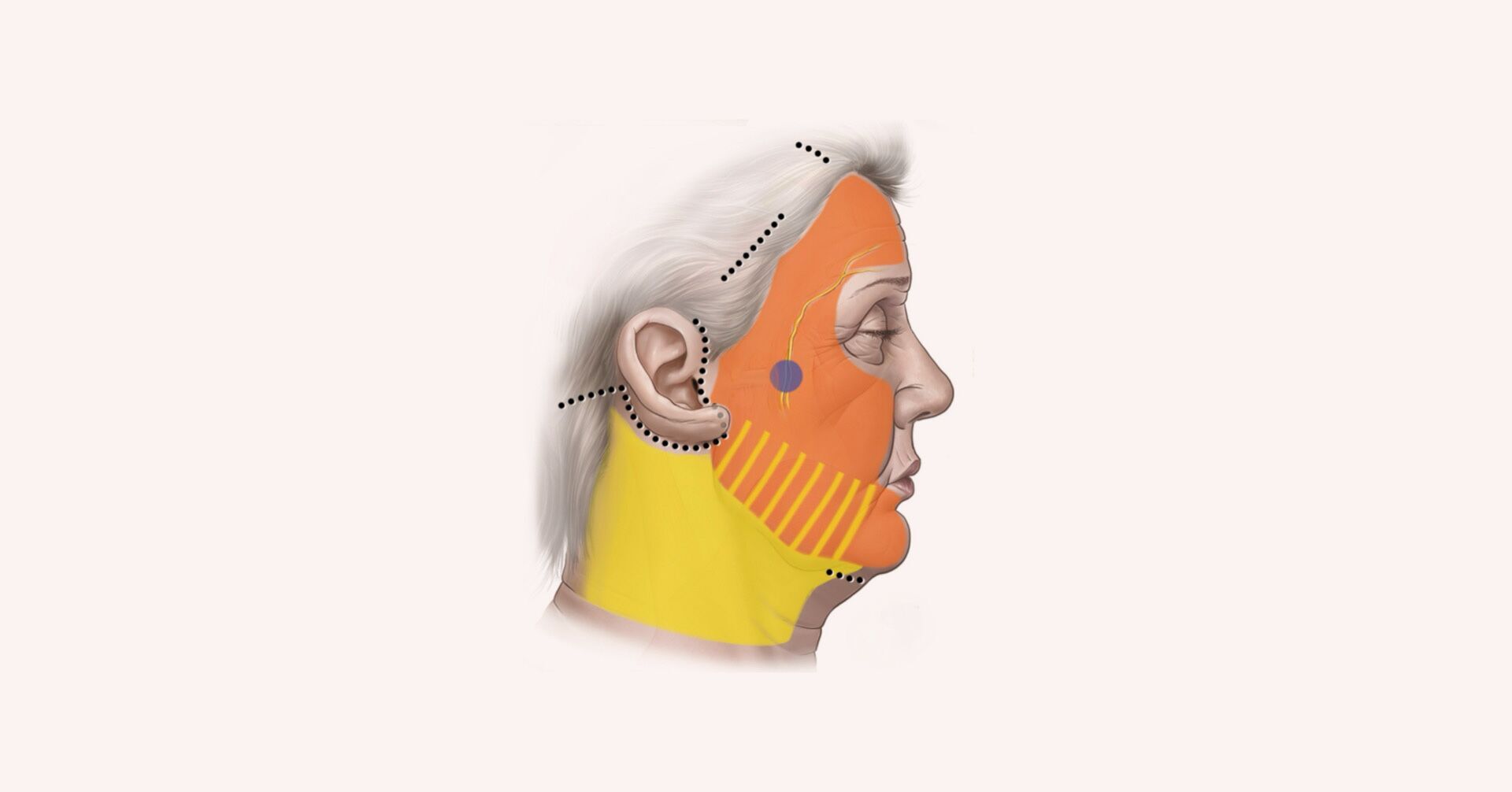
Deep Plane Facelift is considered one of the most advanced facial rejuvenation techniques in modern facelift surgery. Unlike traditional facelift procedures that primarily tighten the skin surface, deep plane facelift surgery focuses on repositioning the deeper facial support structures responsible for facial aging, tissue descent, jowl formation, loss of jawline definition, and neck laxity. By restoring these deeper anatomical layers rather than relying on excessive skin tension, the procedure aims to achieve more natural, balanced, and long-lasting facial rejuvenation.
As facial aging progresses, not only the skin but also the deeper facial tissues gradually descend. The brows become heavier, the cheeks lose support, the midface flattens, nasolabial folds deepen, marionette lines become more visible, jowls develop, and the neck gradually loses youthful contour and definition. Deep Plane Facelift surgery addresses these changes by repositioning the deeper anatomical structures of the face, including the SMAS layer, retaining ligaments, facial fat compartments, and supporting connective tissues.
Many patients researching deep plane facelift surgery are specifically seeking natural-looking rejuvenation rather than an over-pulled or artificial appearance. One of the fundamental principles of modern deep plane facelift surgery is restoring youthful facial support while preserving natural facial movement, expression, and identity.
Understanding the Deep Plane Concept
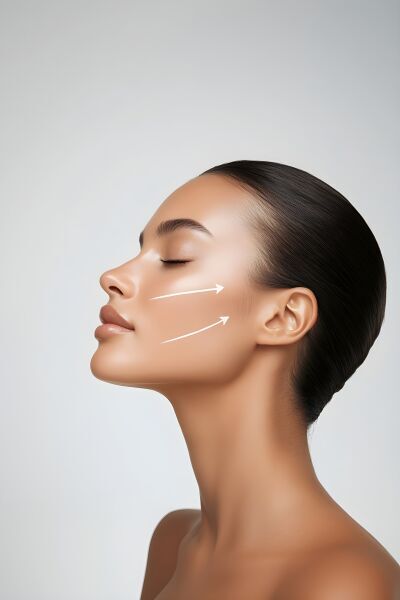
The defining characteristic of a Deep Plane Facelift is that the lift occurs beneath the SMAS layer rather than simply tightening the skin. By releasing key retaining ligaments and mobilizing the deeper facial tissues as a single anatomical unit, the surgeon can reposition the descended structures back toward their youthful location.
This deeper approach allows improvement of the cheeks, midface, nasolabial folds, marionette lines, jawline, jowls, and neck simultaneously. Because the tension is distributed through the deeper support system rather than the skin itself, the results often appear softer, more natural, and more durable compared to superficial facelift techniques.
Patients frequently search for terms such as deep plane facelift before and after, natural facelift results, hidden-scar facelift, jawline lift, neck lift, and long-lasting facial rejuvenation. These concepts are central to the philosophy of deep plane facial surgery.
Endoscopic Deep Plane Facelift vs Traditional Deep Plane Facelift
Broadly speaking, modern deep plane facelift techniques can be divided into two categories depending on the patient's anatomy, degree of aging, skin quality, and surgical goals.
The first category includes endoscopic deep plane facelift techniques performed through smaller and strategically hidden incisions using advanced endoscopic visualization. These procedures aim to achieve comprehensive facial rejuvenation while minimizing visible scarring. Through endoscopic access, the deeper anatomical structures can be released and repositioned with exceptional precision while preserving natural facial proportions.
The second category includes more traditional open deep plane facelift techniques performed through classic incisions around the ears. These approaches may be preferred in patients with more advanced skin laxity, heavier facial tissues, significant jowling, or situations requiring more extensive neck rejuvenation and skin excision.
Both approaches share the same core philosophy: restoring youthful facial support through anatomical repositioning of deeper structures rather than relying on superficial skin tightening alone.
Which Deep Plane Facelift Technique Is Right for Me?
There is no single deep plane facelift technique that is appropriate for every patient. The ideal approach depends on multiple factors including age, facial anatomy, degree of tissue descent, skin quality, neck aging, previous procedures, and individual aesthetic goals.
For some patients, an Endoscopic Deep Plane Facelift may provide comprehensive rejuvenation with hidden incisions and minimal visible scarring. For others, a more traditional Deep Plane Face and Neck Lift may provide the most effective correction of advanced facial and cervical aging.
The goal is always the same: restoring youthful facial contours, improving the jawline and neck, rejuvenating the cheeks and midface, and creating natural, long-lasting results that preserve the patient's unique facial identity.
BEFORE AFTER