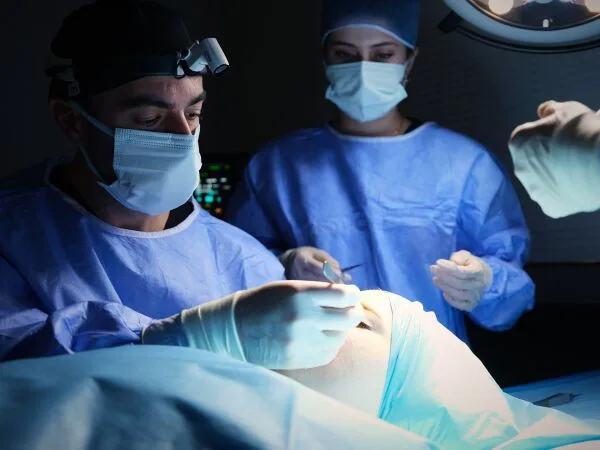
Understanding Rhinoplasty
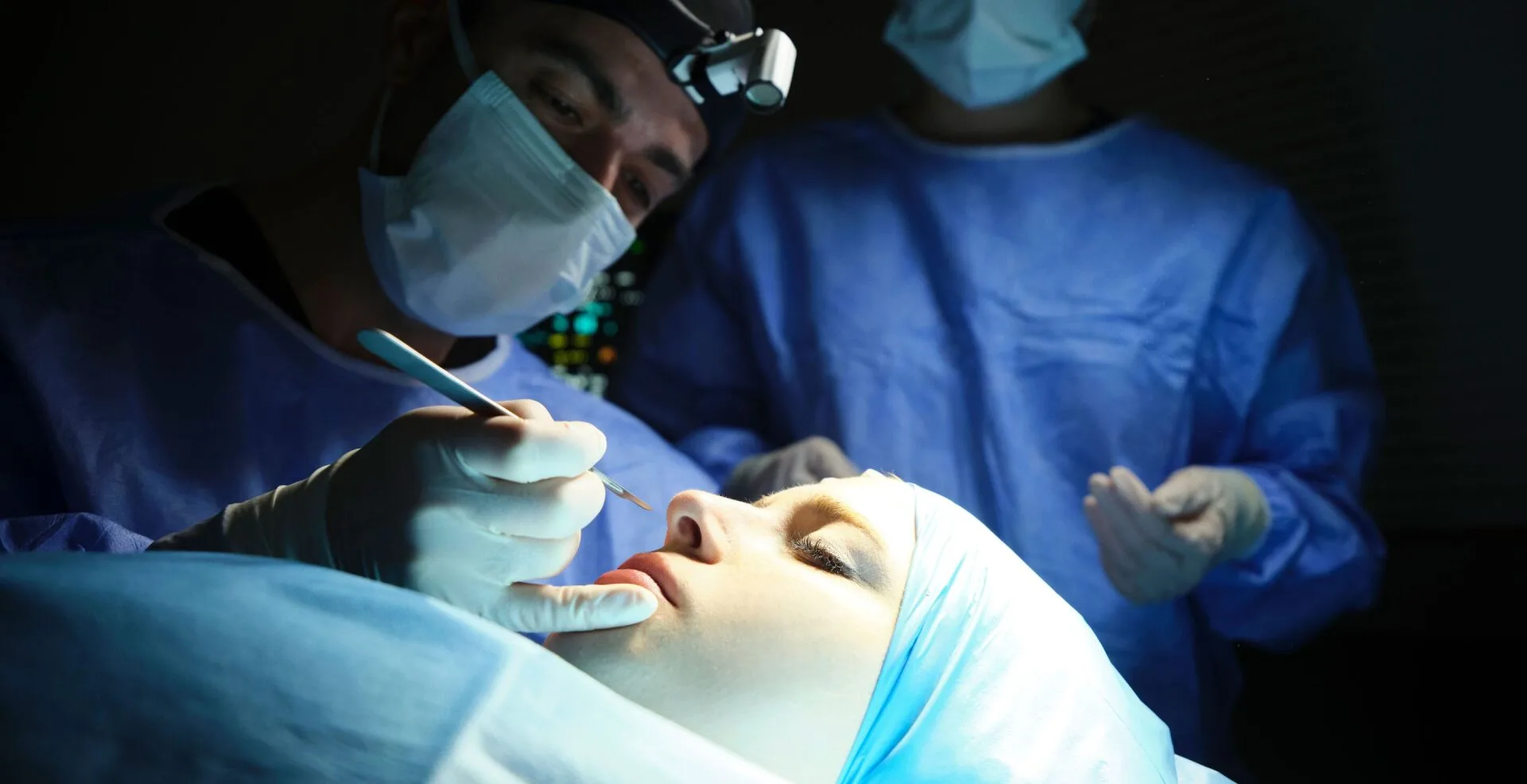

Understanding Rhinoplasty
We live in an increasingly visual world where appearance plays an important role in how we present ourselves both socially and professionally. The nose, located at the center of the face, has a major influence on facial harmony and overall expression.
For this reason, dissatisfaction with the nose can strongly affect how individuals perceive their appearance. As interest in facial balance and natural aesthetics has grown, rhinoplasty has evolved into a highly specialized surgical field that continues to advance in both technique and surgical precision.
What makes rhinoplasty unique?
Rhinoplasty is widely considered one of the most technically demanding procedures in aesthetic surgery. Every nose has a unique anatomy, and each operation requires a highly individualized, tailor-made approach.
Achieving a successful result requires careful evaluation of facial proportions, nasal structure, and the patient’s expectations, while maintaining a natural balance between aesthetics and function.
Who is a good candidate for rhinoplasty?
Rhinoplasty may be considered by individuals who are unhappy with the size, shape, or proportions of their nose. Patients may wish to refine the nasal bridge, improve tip definition, correct asymmetries, or achieve better harmony between the nose and the rest of the face.
A detailed consultation allows the surgeon to evaluate nasal anatomy, facial proportions, and the patient’s expectations in order to determine the most appropriate surgical approach.
The decision process
Deciding to undergo rhinoplasty can take time. Many patients spend months or even years considering whether surgery is truly necessary.
If dissatisfaction with the nose frequently affects how you feel about your appearance, consulting with a qualified specialist can provide valuable clarity. In many cases, a professional evaluation alone helps patients better understand their options and expectations.
Trust and communication
Aesthetic surgery relies heavily on communication and trust between surgeon and patient. While patients today have access to a vast amount of information online, every face is unique and surgical planning must always be individualized.
Open communication, realistic expectations, and mutual trust are essential foundations for a successful rhinoplasty outcome.
Primary and revision rhinoplasty
Primary rhinoplasty refers to the first surgical procedure performed to reshape the nose. Revision rhinoplasty is performed to improve the result of a previous nasal surgery.
Revision procedures are often more complex because they require careful evaluation of previous surgical changes, scar tissue, and remaining structural support. For this reason, detailed analysis and surgical planning are essential.
Skin thickness and nasal anatomy
Skin thickness is one of the most important factors influencing rhinoplasty results.
Thicker skin may require a longer healing period before the final definition becomes visible, while thinner skin can reveal structural changes earlier. Each case must therefore be carefully evaluated individually to determine the most appropriate surgical approach.
Preoperative consultation and planning
Whenever possible, meeting with your surgeon more than once before surgery can be beneficial. If an in-person consultation is not possible, online consultations using photographs and video can also provide a useful evaluation.
Preoperative digital simulations may also be used to help create a shared visual understanding between the surgeon and the patient. These simulations are not guarantees of the final result, but rather tools that support communication and surgical planning.
Functional considerations
Rhinoplasty should always be evaluated from both aesthetic and functional perspectives. During the preoperative examination, the internal nasal structures are carefully assessed and, when necessary, additional procedures addressing issues such as septal deviation or turbinate enlargement may be considered.
The aim is to evaluate both the aesthetic balance of the nose and the internal nasal anatomy during the planning stage.
Surgery and recovery
Rhinoplasty is typically performed under general anesthesia and lasts approximately 1.5 hours. Patients generally stay in the hospital for one night and are discharged the following day.
Modern surgical techniques, particularly ultrasonic rhinoplasty, help minimize tissue trauma and may reduce postoperative swelling and bruising. While most visible swelling improves within the first few weeks, the final shape of the nose gradually refines over several months.
Trends and personal preferences
Aesthetic preferences in rhinoplasty can vary significantly from person to person. While some patients may prefer a more defined nasal tip or a slightly elevated profile, others seek a very natural appearance with minimal change.
Although trends may evolve over time, the most important goal remains achieving a result that harmonizes with the individual’s facial features and personal character. Clear communication between patient and surgeon is essential in determining the most suitable and natural outcome.
Hospital selection.
It’s so important to have your operation in a hospital where you feel comfortable. Asking and searching about your hospital in advance will be more relaxing for you. Condition of the operation room, experience of the anaesthesia team and an assistant-nurse team to be with you throughout the process will make you comfortable and relaxed.
How long does an operation last?
An operation lasts about 1,5 hours. The time between the leaving the room and returning to the room is about 3 or 4 hours. Preanesthesic preparations and other processes are included.
How many nights in hospital after the operation?
We host our patients for a night after nasal operations. She/he is discharged from the hospital the next day.
Is tampon used? How long does the patient stay in hospital? Does she/he have pain in discharge process?
I prefer to use tampon after each nasal operation to provide the patient to breathe comfortably and control oedema. Because the tampons used are silicone, they do not stick to nasal mucosa and, accordingly, cause pain. The patient can breathe comfortably thanks to the air channel on the tampon. Generally, the tampons are taken after 48 hours.
Splints and nose bandage.
As a postoperative routine, we use plastic splints acting as plasters on nasal cartilages and protecting the new shape of the nose throughout the healing process. Although the period with splints varies by any operation, it lasts about 7-10 days. In the first 48 hours after the splints are removed, nose bandages are used for oedema control.
Is healing process painful?
Nasal operations are one of the least painful operations. According to the statistics based on our patients’ data, 20 of 100 people used painkiller on the first post-operative day and the rate of need to use a second painkiller on the first post-operative day is around 5%. The rest 80% had no need for painkiller.
What about swelling and bruising?
As the damage to nasal tissue is minimized thanks to the new technologies, it is possible to say that no bruising occurs especially in ultrasonic nasal surgeries. However, in light and thin skinned people or people using herbal medicine, the supraorbital and cheek skin may turn to pink. This colour change emerges on the first post-operative day and peaks on the 72th day. After the first week is completed, it regresses almost completely.
Shaping and healing process of the nose.
Upon the removal of the splints, you will see oedema concentrated on especially nose tip, eye level and nasal bridge. This completely normal and temporary formation shows how your tissues respond to healing process. Amount of oedema and swelling may vary by the dimension of the change created in the operation and skin character. Healing process is supported with various massages and special advices. When the first month is completed, most of the rough oedema will significantly regress and after a period of between six months and one year, the shape of the nose will completely emerge.
Will I be able to breathe comfortably soon after the operation?
If you have no breathing problem before the operation, your breathing will return to normal after the rough oedema and intranasal injuries heals in the first month. If you have breathing problem before the operation and the operation is carried out considering this, the healing process may be longer and this problem may disappear in 1 or 3 months. This is completely normal and may vary depending on many factors.
I’ll get married, so I must have this operation immediately. For this popular demand, we should especially emphasize that it is necessary to plan your life considering at least 6 months of healing period.
What if I’m not satisfied with the result?
The importance of mutual trust and honesty to be established in the preoperative appointments with your doctor is most understood at this point. Generally, patients have an adaptation problem in the first month when the nose swells. But after the oedema disappears, everything gets back on the rails. In nasal operations, it is of vital importance to follow-up the process patiently and comply with the suggestions.
Post-operative process.
- In the first 48-72 hours, there will be a silicone tampon in your nose.
- In the first 7-10 days, you will have a plastic splint on your nose.
- If you have a stitch on the nose tip, this area will be applied antibiotic creams and
- Supportive pomades besides sunscreens creams for scarless healing.
- For patency and softening of nasal passages and accelerating the healing process, it is effective and necessary to apply sea water spray into the nose for the first 3 post-operative months starting from the first post-operative day.
- If your skin is thick, it is advised to use nose strip at night for the first few months.
This method accelerates healing by preventing swelling during the day.
Points to be noted in post-operative process.
- For the first 3 months, avoid from all impacts and not to wear glasses.
- Protect the nose against weight while sleeping.
- Avoid your skin from direct sunlight and a sun hat must be used if possible.
- Light exercises may be started after a month, however, it is necessary to wait for heavier exercises for 3 months.
- Too hot and humid places as sauna or Turkish baths should be visited after the first 3 post-operative months pass.
- Swimming in sea is permitted after the first post-operative month, however, pools should be used after 3 post-operative months.
Routine control process.
Routine control process includes the removal of splints and tampons and repeated in the 1st, 4th and 8thp post-operative months. Control processes may vary depending on some factors.