Fat Grafting / Fat Transfer
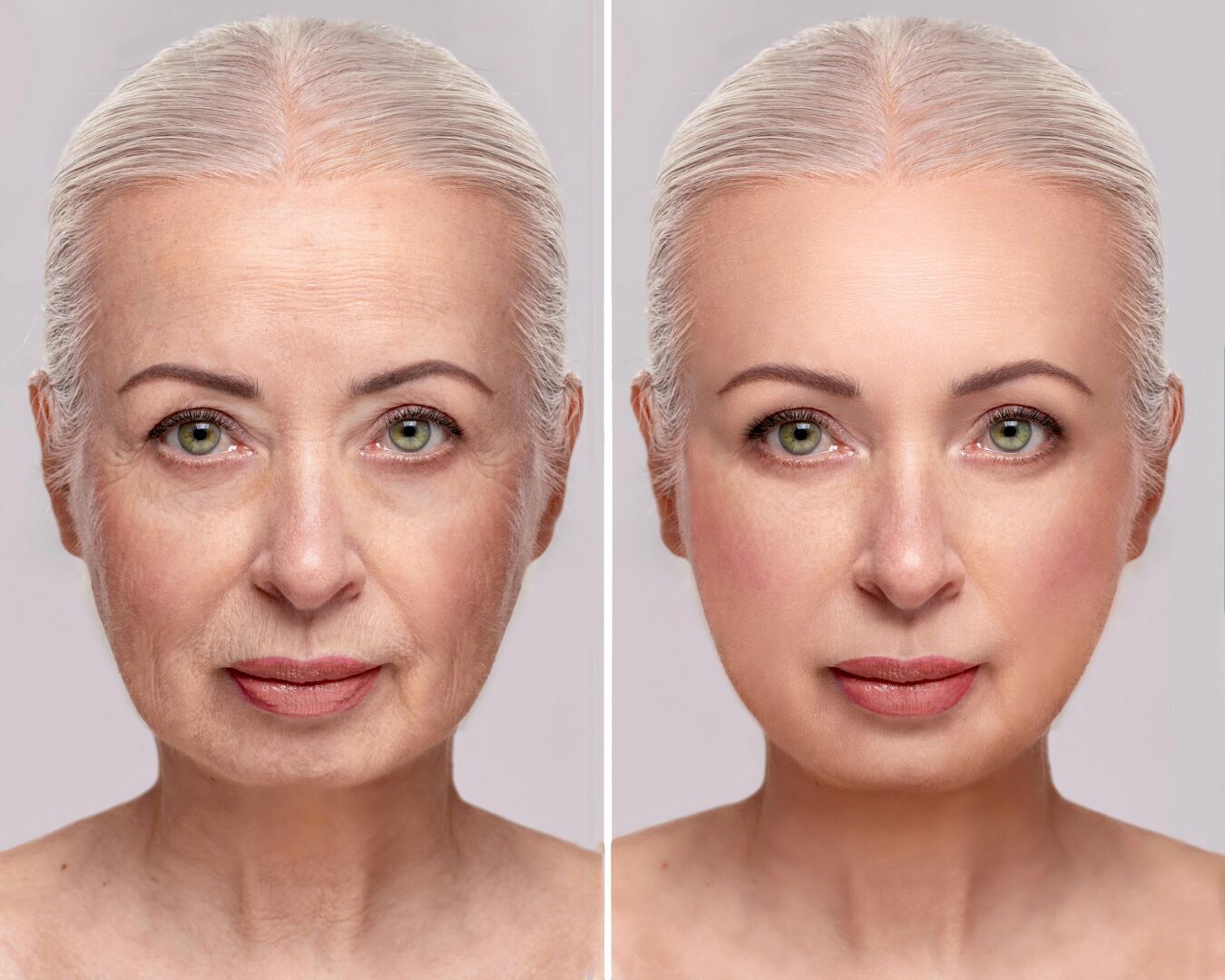

Fat Grafting / Fat Transfer
Fat grafting plays a pivotal role in both facial and body aesthetics, offering a natural and highly versatile solution for volume restoration and tissue rejuvenation.
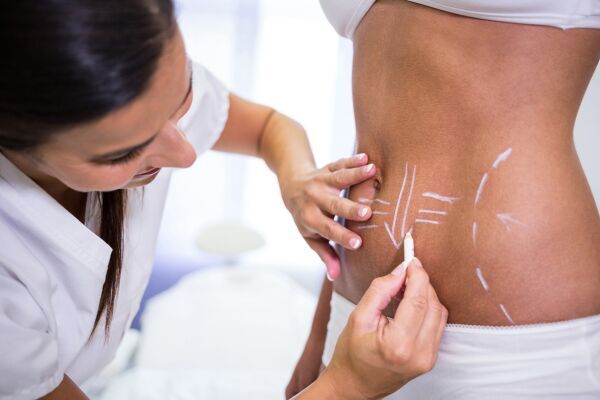
In this procedure, fat is carefully harvested from the patient’s own body using specialized, atraumatic techniques. It is then meticulously purified and enhanced before being strategically injected into areas of the face that require volume replacement. Fat grafting is frequently combined with facelift procedures to achieve more comprehensive and harmonious rejuvenation.
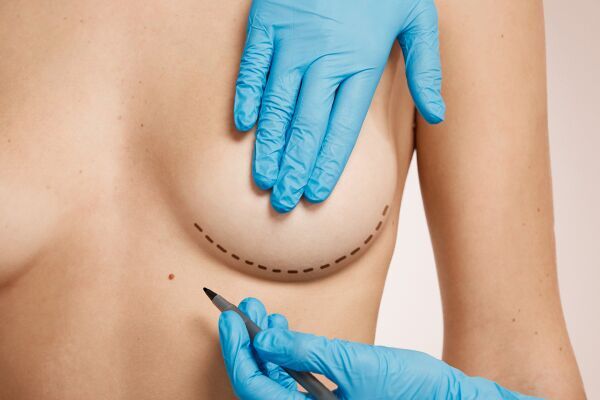
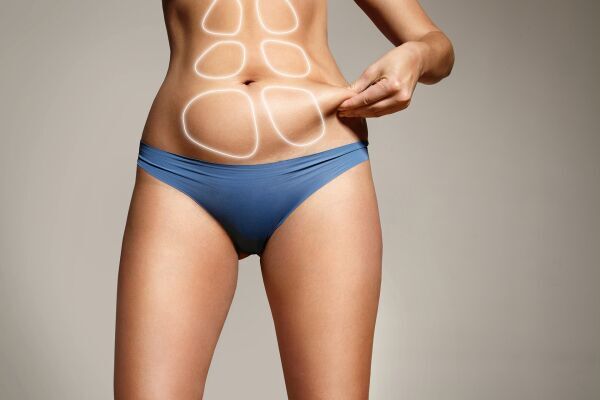
Beyond facial applications, it is also widely used as an adjunct in body and breast aesthetics, contributing to contour refinement and natural enhancement.
Importantly, fat grafting is not limited to volumization alone. It also provides regenerative benefits through its rich stem cell content, supporting structural repair and improving overall tissue quality. Advanced techniques such as nanofat allow for more superficial application, enhancing skin quality, texture, and vitality at a cellular level.
The success of fat grafting is highly dependent on the technique and the surgeon’s expertise. Dr. Mirza Fırat approaches every step of the procedure with precision and respect for the integrity of fat cells. From atraumatic harvesting to careful processing and refined injection techniques, each stage is performed with meticulous attention to detail to preserve cell viability and optimize results.
Equally important is a deep understanding of facial anatomy. Safe and effective fat grafting requires advanced anatomical knowledge to minimize risks and prevent complications. With this comprehensive and thoughtful approach, Dr. Mirza Fırat consistently achieves natural, long-lasting, and reliable outcomes.
Facial Fat Grafting Areas
Facial fat grafting is not a one-size-fits-all procedure. Different areas of the face age in distinct ways, requiring individualized planning and precise volume restoration. Depending on the patient’s anatomy and aesthetic goals, fat grafting can be performed in one or multiple facial regions.
Forehead Fat Grafting
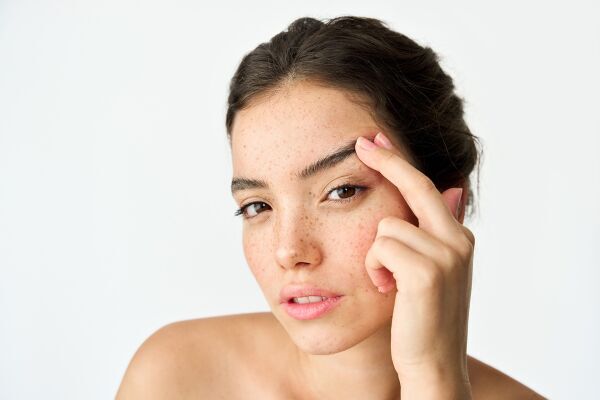
The forehead plays a significant role in facial harmony and youthfulness. Volume loss in this area can create a flatter, more skeletal appearance. Forehead fat grafting helps restore smooth contours, soften transitions between facial subunits, and create a more youthful and balanced profile.
Temple Fat Grafting
Temporal hollowing is one of the earliest and most overlooked signs of facial aging. Fat grafting to the temples restores volume in this region, softens the transition between the forehead and cheeks, and contributes to a healthier, more youthful appearance of the upper face.
Periorbital Fat Grafting
The area around the eyes often develops hollowing with age, leading to a tired or aged appearance. Fat grafting can improve volume deficiencies around the upper eyelids, tear troughs, and surrounding orbital areas, creating a softer and more refreshed look while maintaining natural facial expression.
Cheek Fat Grafting
Loss of midface volume is a hallmark of facial aging. Fat grafting to the cheeks restores youthful projection, improves facial balance, and supports surrounding tissues. It is frequently combined with facelift procedures to enhance overall facial rejuvenation.
Chin and Jawline Fat Grafting
Strategic fat grafting of the chin and jawline can improve facial proportions and definition. In selected patients, subtle volume enhancement in these areas contributes to a stronger profile and more harmonious lower-face contour.
When performed by an experienced surgeon with advanced anatomical knowledge and meticulous technique, facial fat grafting is generally considered a safe and reliable procedure. Careful harvesting, processing, and injection techniques are essential to preserve fat cell viability, minimize risks, and optimize long-term outcomes.
Yes. Fat grafting is frequently combined with facelift procedures because facial aging involves both tissue descent and volume loss. While a facelift repositions tissues to a more youthful position, fat grafting restores lost volume and improves facial contours. Together, these procedures often provide the most comprehensive and natural facial rejuvenation.
Not all transferred fat cells survive the healing process. During the first months following treatment, a portion of the graft is naturally reabsorbed by the body. The amount of long-term fat survival varies between patients and depends on factors such as blood supply, tissue quality, surgical technique, and individual healing characteristics.
The face typically appears fuller during the initial healing period due to swelling and the presence of newly transferred fat. While early improvements can be appreciated within weeks, final results are generally evaluated several months after the procedure, once swelling has resolved and the surviving fat cells have stabilized.
No. Significant swelling during the first days and weeks is expected and represents a normal part of the healing process. The majority of swelling gradually subsides over time, revealing a more natural and refined result.
The most noticeable swelling usually improves within the first few weeks. However, subtle swelling may continue to resolve for several months, particularly in delicate areas such as the eyelids and midface.
Yes. Fat graft survival depends on the development of a healthy blood supply around the transferred fat cells. Smoking can negatively affect circulation and may reduce the predictability of fat graft take. Patients are generally advised to avoid smoking before and after surgery to support optimal healing.
Moderate caffeine consumption is not generally considered a major determinant of long-term fat graft survival. However, many surgeons recommend limiting excessive caffeine intake during the early recovery period as part of an overall healing-focused postoperative protocol.
Yes. Fat grafting is valued not only for restoring facial volume but also for its regenerative properties. Fat tissue contains growth factors and regenerative cells that may contribute to improvements in tissue quality, skin texture, and overall facial vitality.
The regenerative processes associated with fat grafting occur primarily during healing and tissue integration. Improvements in tissue quality achieved during this period may be long-lasting, although the natural aging process continues throughout life.
The transferred fat cells behave similarly to fat cells elsewhere in the body. Significant weight loss may reduce facial volume to some degree. However, successfully integrated fat grafts often remain relatively stable over time, particularly when body weight remains consistent.
The fat cells that successfully establish a blood supply and survive the healing process can provide long-lasting results. However, facial aging continues naturally, and future changes in facial volume and skin quality may still occur as part of the aging process.
Other Procedures