Brow Lift & Temple Lift Surgery


Brow Lift & Temple Lift
Endoscopic Upper Face Rejuvenation with Hidden Incisions and Natural Results
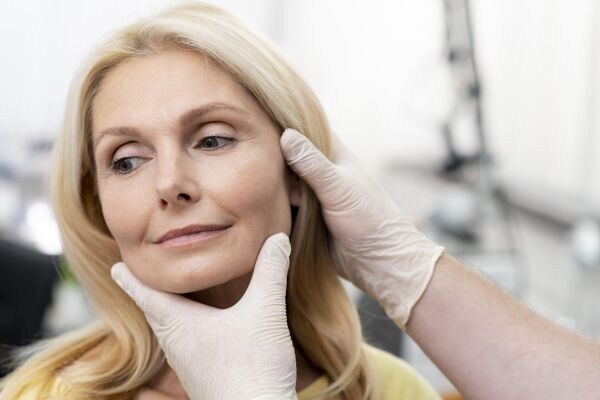
A Brow Lift and Temple Lift are advanced facial rejuvenation procedures designed to restore the youthful position of the eyebrows, upper face, and eye area. As aging progresses, the brows gradually descend, the outer corners of the eyes lose support, the upper eyelids appear heavier, and the eye area begins to look tired or sad. In many patients, these changes occur long before significant aging develops in the lower face or neck.
Unlike traditional brow lifting techniques that may create an over-pulled or unnatural appearance, modern endoscopic brow and temple lifting focuses on restoring the natural anatomical position of the tissues. The goal is not to change facial expression, but to create a fresher, more rested, and naturally rejuvenated appearance.
One of the most common concerns among patients researching brow lift surgery is whether they will look surprised, overly elevated, or unnatural after surgery. When performed correctly, an endoscopic brow lift should not create an operated appearance. Instead, it restores the brow to a more youthful position while maintaining the patient's natural facial identity.
Endoscopic Brow Lift and Hidden Incisions
Dr. Mirza Fırat performs brow and temple lift procedures using advanced endoscopic techniques through hidden incisions placed within the hair-bearing scalp. Because the incisions are concealed within the hairline, there are no visible facial scars.
Endoscopic visualization allows precise release and repositioning of the deeper supporting structures of the forehead, brows, temples, and upper face. Rather than relying on excessive skin tension, the tissues are repositioned anatomically, creating more natural and longer-lasting results.
Patients searching for an endoscopic brow lift, scarless brow lift, hidden-scar facelift, or temple lift often prefer this approach because it provides meaningful lifting without visible signs of surgery.
Does a Brow Lift Improve the Eye Area?
Yes. One of the most significant benefits of a brow lift and temple lift is rejuvenation of the eye area. As the brows descend, the skin around the upper eyelids becomes heavier and the eyes may appear smaller, more tired, or aged.
By elevating the brows and temples, the procedure can improve the upper eyelid area, restore a more youthful brow-eye relationship, and create a brighter, more refreshed appearance. Many patients are surprised by how much improvement around the eyes can be achieved without directly operating on the eyelids themselves.
In selected patients, brow lift surgery may also be combined with upper or lower blepharoplasty for more comprehensive periorbital rejuvenation.
Will a Brow Lift Affect Nasolabial Folds?
A brow lift primarily targets the upper face and eye area. While patients often notice an overall fresher appearance after surgery, brow lifting alone does not directly correct significant nasolabial folds, marionette lines, or lower-face aging.
Patients who are primarily concerned about cheek descent, nasolabial folds, or jowls may benefit more from a Endoscopic Deep Plane Type 1 or Midface Lift or Mini Lift procedures . During consultation, the appropriate combination of procedures is determined based on each patient's anatomy and goals.
Will My Hairline Move Back After a Brow Lift?
This is one of the most common questions patients ask before surgery.
When performed using modern endoscopic techniques, brow lift surgery is carefully planned to preserve the natural hairline whenever possible. In most patients, there is no noticeable recession of the hairline. Surgical planning is individualized according to forehead height, hairline position, and facial proportions to maintain a balanced and natural appearance.
Will I Look Over-Pulled or Unnatural?
A common fear among patients considering brow lift surgery is developing an exaggerated, permanently surprised, or artificial appearance.
A properly performed endoscopic brow and temple lift should not create this effect. The objective is not maximal elevation, but anatomical repositioning. By restoring tissues to their youthful location rather than excessively tightening them, the face maintains its natural character and expression.
The best brow lift results are often the ones that other people notice as looking refreshed and youthful without immediately recognizing that surgery was performed.
Are Brow Lift Results Permanent?
A brow lift cannot stop the aging process, but it can reverse many of the structural changes that have already occurred. By repositioning the deeper supporting tissues, the improvement is typically long-lasting and significantly more durable than temporary treatments such as threads or injectables.
Patients continue to age naturally after surgery, but they generally maintain a more youthful brow position and upper facial contour for many years compared with if surgery had never been performed.
Frequently Asked Questions
Facelift surgery is suitable for individuals experiencing signs of aging such as sagging in the midface, lower face, jawline, and neck. It can also address concerns around the eyes and brows, including drooping or heaviness. Additionally, some patients may have genetically low-set cheeks or brows, even at a younger age. In such cases, selected facelift techniques can help restore balance and achieve a more refreshed appearance.
Pain is not the most prominent symptom after facelift surgery—swelling is more noticeable. Most patients may experience mild discomfort during the first night following the procedure. However, this is typically well-controlled with standard nonsteroidal anti-inflammatory medications. By the second and third days, discomfort significantly decreases and usually resolves completely shortly thereafter. With tissue-respecting surgical techniques, pain is generally minimal.
Yes, swelling is a normal and expected part of the healing process after a facelift. Swelling is most noticeable during the first 2–3 days. During this period, the eye area may appear puffy, the eyelids can look more swollen, the outer corners of the eyes may appear slightly elevated, the face may appear wider than usual, and if the forehead is treated, it may look slightly fuller. Mild swelling can also occur in the neck. These changes are temporary and part of normal recovery.
Swelling is most prominent during the first two weeks after surgery. At 2 weeks, swelling is still visible but significantly reduced, and feelings of tightness and heaviness are much improved. By 4–6 weeks, most visible swelling subsides and becomes barely noticeable to others. Between 3–6 months, residual swelling continues to resolve gradually, although patients may still feel subtle firmness. Final results are fully settled at around 1 year.
Whether performed using endoscopic or traditional techniques, a facelift is a structural procedure that repositions deeper tissues. Therefore, early relapse or sagging is not expected. Once healing is complete at around one year, the natural aging process continues. Some patients may consider a touch-up or minor lifting procedure within 3–5 years. Others, particularly those with favorable genetics and healthy lifestyles, may not require another facelift for up to 10 years.
Facelift surgery is often combined with complementary procedures such as upper or lower eyelid surgery, fat grafting, neck lift, lip lift, and brow lift to achieve optimal results. After full healing, usually around one year, minor touch-up procedures may be performed under local anesthesia to refine the final result.
Minimizing visible scarring is a key priority in modern facelift techniques. Endoscopic techniques use hidden incisions in the scalp or behind the ear. In more advanced cases where skin removal is required, incisions around the ear are used but typically heal very well when performed with a deep-plane approach and tension-free closure.
Scar quality depends on multiple factors including smoking, underlying health conditions such as diabetes, and surgical technique. Skin-only facelifts can leave tension on the incision line, which may result in wider scars. Deep-plane techniques reduce tension and allow for better healing and more discreet scars.
The duration of facelift surgery varies depending on the technique used. FiratLift Type 1 takes approximately 3 hours, FiratLift Type V takes around 5 hours, FiratLift Type 2 or endoscopic hybrid facelift takes approximately 6–7 hours, and deep plane facelift procedures also take about 6–7 hours.
Yes, all facelift procedures are performed under general anesthesia in a fully equipped hospital setting. Patients typically stay in the hospital for at least one night, and sometimes two nights depending on the procedure.
The most accurate way to determine the appropriate facelift technique is through a consultation with Dr. Mirza Fırat. Consultations are available both in person and online. During a detailed 30-minute evaluation, a personalized treatment plan is created.
No. In the early postoperative period, temporary swelling may create a lifted appearance around the eyes. However, this is not the final result. As swelling subsides, the eyes return to a natural and balanced appearance. Additional procedures such as canthoplasty or brow lift are only performed when necessary.
A hemostatic net is used after surgery to secure the skin evenly to the underlying tissues. It helps reduce swelling, prevent fluid accumulation, and improve skin adaptation. The net is removed within 2–3 days. Small marks may be visible initially but fade within 7–10 days and do not leave permanent scars.
In endoscopic techniques, the effect is achieved through deep tissue manipulation rather than skin removal. The SMAS layer, which is primarily responsible for facial sagging, is released from the retaining ligaments and lifted vertically. After repositioning, it is fixated in its new position. In patients without significant skin excess, this repositioning is sufficient to also adapt the skin naturally. Since aging occurs in a downward vertical direction, lifting the tissues vertically upward restores a natural and youthful appearance. In more advanced age groups, where excess skin is more pronounced, skin removal may be added to this vertical lifting. The key difference from traditional techniques is that all deep-plane work is performed through small, hidden incisions first, and only if necessary, the incision is extended based on the amount of excess skin. This allows achieving the same effectiveness while keeping incisions minimal.
The endoscopic hybrid facelift is a newer technique developed by Dr. Mirza Fırat. While traditional endoscopic techniques rely on vertical lifting for natural results, some patients—especially those with naturally higher brows—do not require lifting in the brow or temple area. In such cases, a hybrid approach is used. Deep tissue vertical lifting is still performed to achieve strong rejuvenation, but in the temple and periorbital region, both deep and superficial plane techniques are used without lifting the brow. Instead, excess skin is redistributed into the temple area. This prevents an overly lifted or unnatural appearance of the brows while still maintaining hidden incisions and effective results. The most appropriate technique is determined during consultation.
No. Both endoscopic and traditional facelift techniques involve similar deep tissue dissection, release, lifting, and fixation. Therefore, recovery time and swelling duration are generally the same. The main advantage of endoscopic techniques is that the same procedures are performed through smaller and more hidden incisions, reducing visible scarring rather than changing recovery dynamics.
In younger patients with minimal skin laxity, a neck lift performed through a submental incision and, if needed, a postauricular incision can provide effective results. However, in patients over their 40s or in those with significant skin laxity in the lower face and neck, performing a neck lift alone without a facelift may lead to suboptimal results. While deep tissues and platysma can be tightened through limited incisions, the ability to remove and reposition excess skin is restricted. For optimal results, combining a facelift with a neck lift allows proper vertical skin redraping and leads to more successful and long-lasting outcomes.