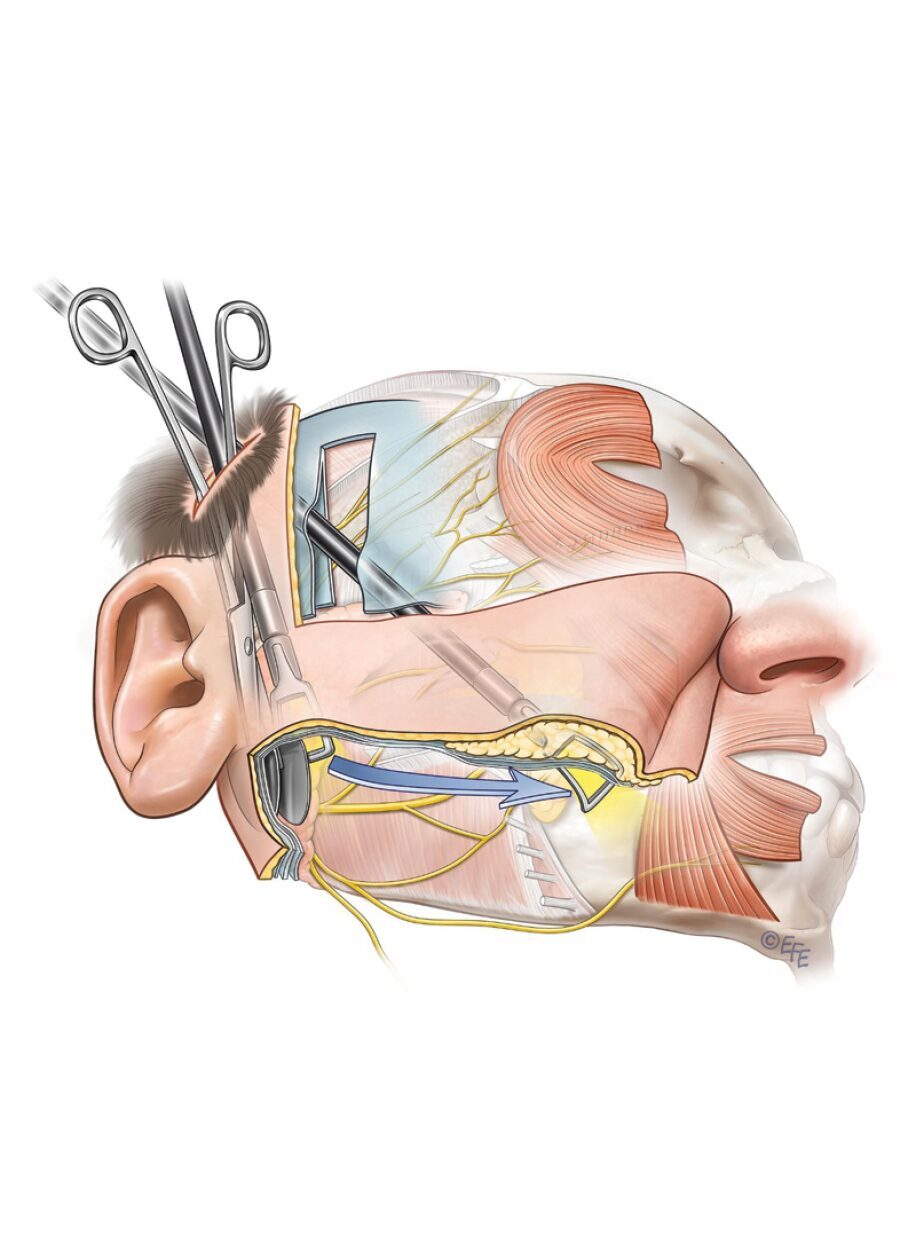
Dr. Mirza Fırat is the author of a peer-reviewed scientific publication in Aesthetic Surgery Journal (Oxford Academic), presenting a structured and innovative approach to endoscopic deep plane facelift surgery.
In this study, Dr. Fırat introduces a five-group classification system that allows surgeons to tailor surgical strategies based on individual facial aging patterns. This approach enables more precise planning and more natural-looking outcomes.
Rather than applying a single standardized technique to all patients, the classification system provides a structured framework for identifying the most appropriate surgical pathway. This leads to a more refined and patient-specific approach to facial rejuvenation.
The technique is supported by a comprehensive clinical series of 393 patients, demonstrating consistent aesthetic results with low complication and revision rates. These findings reinforce the reliability and reproducibility of the method.
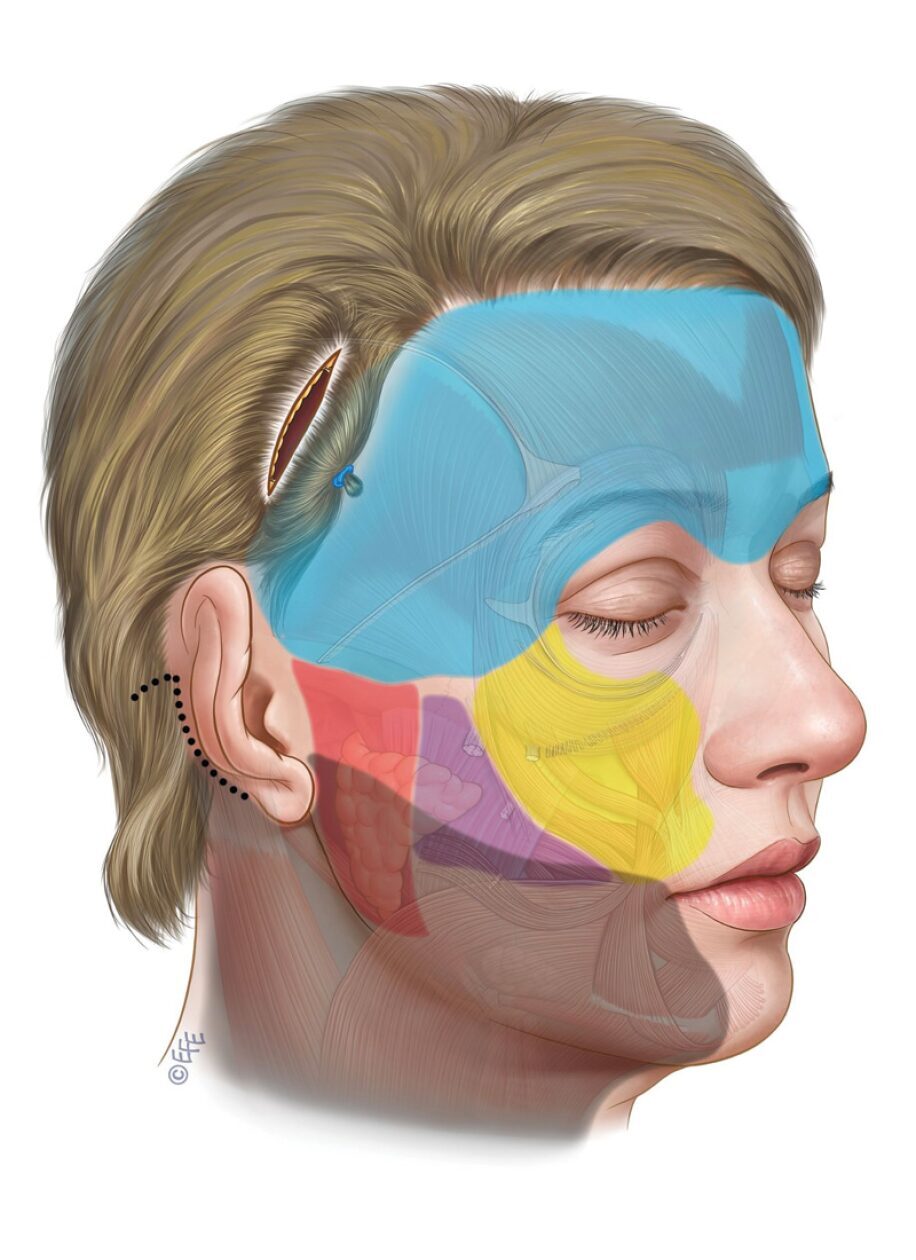
This publication reflects Dr. Fırat’s commitment to evidence-based medicine and his contribution to the global advancement of facial rejuvenation techniques.
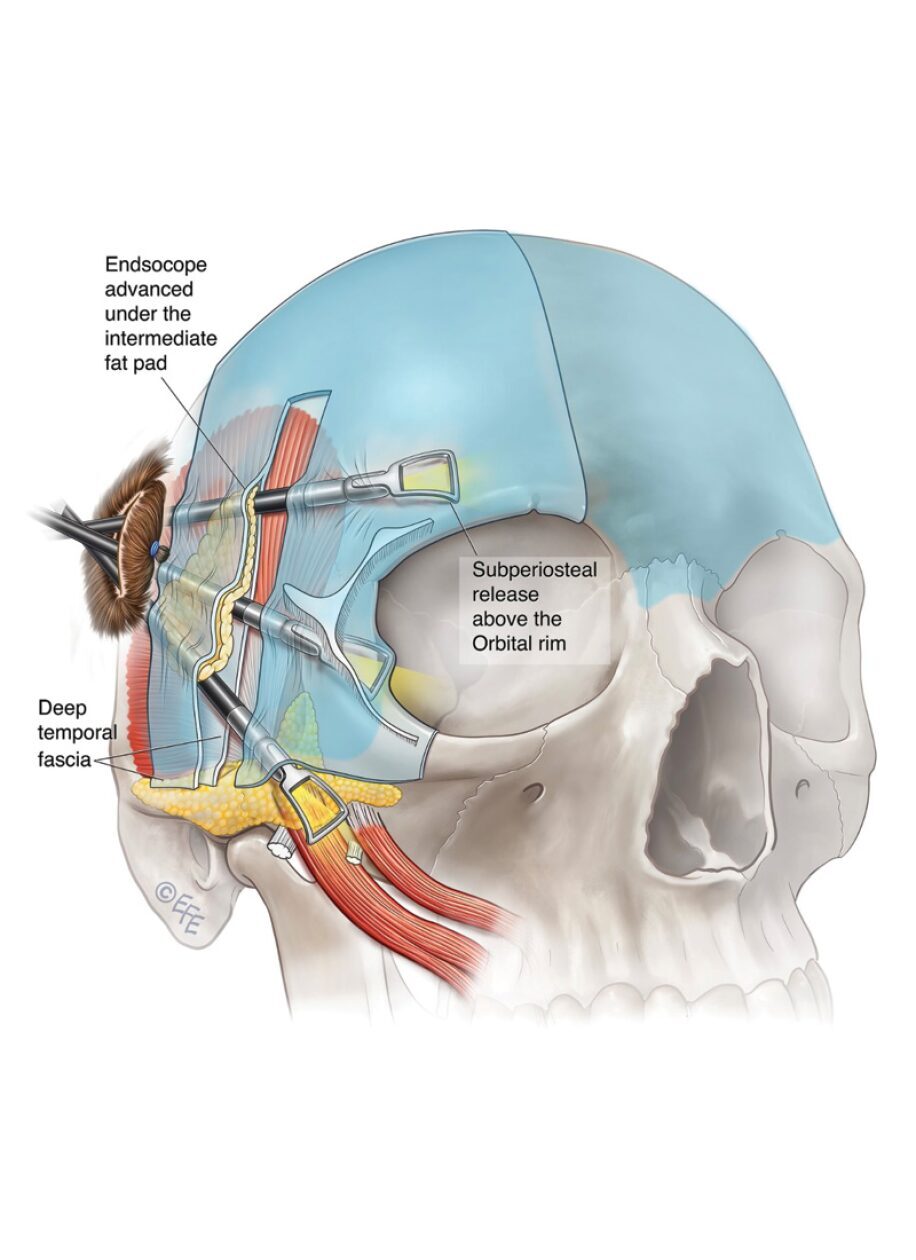
Through this large patient cohort, the study highlights not only the effectiveness of the surgical approach but also its adaptability across different facial structures and aging types. This scalability is a key factor in its clinical relevance.
The study further emphasizes the advantages of combining endoscopic methods with deep-plane anatomical correction. This integration allows for enhanced visualization during surgery and more precise tissue manipulation.
By utilizing endoscopic access, surgeons are able to operate through smaller incisions, reducing tissue trauma while maintaining full control over deeper anatomical layers. This contributes to both safety and efficiency.
Dr. Mirza Fırat’s publication in Aesthetic Surgery Journal (Oxford Academic) reflects not only a technical advancement in facelift surgery, but also a commitment to shaping the future of facial rejuvenation through scientific research.
By focusing on vertical vector lifting and minimally invasive access, Dr. Fırat’s approach enhances long-term results while reducing visible scarring and recovery time. The lifting technique respects the natural direction of facial aging.
This method prioritizes the preservation of natural facial expression, avoiding the over-tightened or artificial appearance often associated with traditional facelift techniques. The result is a more balanced and authentic outcome.
Overall, the study reflects a shift toward more intelligent, anatomy-driven surgical planning—where precision, personalization, and long-term stability are at the forefront of modern facial rejuvenation.
Read the full article on Oxford Academic